

Exploring Japan's Culture Day for English Conversation Lessons
The theme of this English language resource is "learning casual English through real events."
The theme of this English resource is "Learn casual English through real events."
- Section 1: What is Culture Day?
- Section 1: What is Culture Day?
- Section 2: The Significance of the Japanese Constitution
- Section 2: The Importance of the Japanese Constitution
- Section 2: The Importance of the Japanese Constitution
- Section 3: How Culture Day is Celebrated Today
- Section 3: How to Celebrate Culture Day Today
Section 1: What is Culture Day?
Culture Day, known as "Bunka no Hi," is celebrated on November 3rd in Japan. The purpose of Culture Day is to promote the ideals of freedom, peace, and the appreciation of culture. On this day, events such as art exhibitions, parades, and festivals take place to celebrate Japan's rich cultural heritage.
Q1: What is Culture Day known for in Japan?
Sample Answer:. Culture Day is known for promoting freedom, peace, and cultural appreciation in Japan.
Q2: Why is November 3rd an important date in Japan?
Sample Answer:. November 3rd is important because it marks the day when the post-war Japanese Constitution was promulgated in 1946.
Q3: What kinds of events are held on Culture Day?
Sample Answer:. On Culture Day, there are art exhibitions, parades, and festivals that celebrate Japanese culture.
Now, let's talk using idioms.
Let the students choose one favorite idiom and make an example sentence.
Idiom Focus: "take place"
Explanation:. The phrase "take place" means that an event happens or occurs.
Example Sentence: The parade will take place on Culture Day.
Section 1: What is Culture Day?
Known as "Culture Day," it is celebrated in Japan every year on November 3. This national holiday commemorates the day in 1946 when the postwar Japanese Constitution was promulgated. The purpose of Culture Day is to promote freedom, peace, and the value of culture. On this day, art exhibitions, parades, festivals, and other events are held to celebrate Japan's rich cultural heritage.
Q1: What is Culture Day known for in Japan? Sample Responses:. Culture Day is known in Japan for promoting the values of freedom, peace, and culture.
Q2: Why is November 3 so important to Japan? Sample Responses:. November 3 is important because it is the date that the postwar Japanese Constitution was promulgated in 1946.
Q3: What events take place on Culture Day? Sample Responses:. On Culture Day, there are art exhibitions, parades, and festivals celebrating Japanese culture.
Idiom Focus: "take place" Description: (in Japanese only) The phrase "take place" means that an event is "held" or "takes place. Example Sentences:. The parade is held on Culture Day.
Section 2: The Significance of the Japanese Constitution
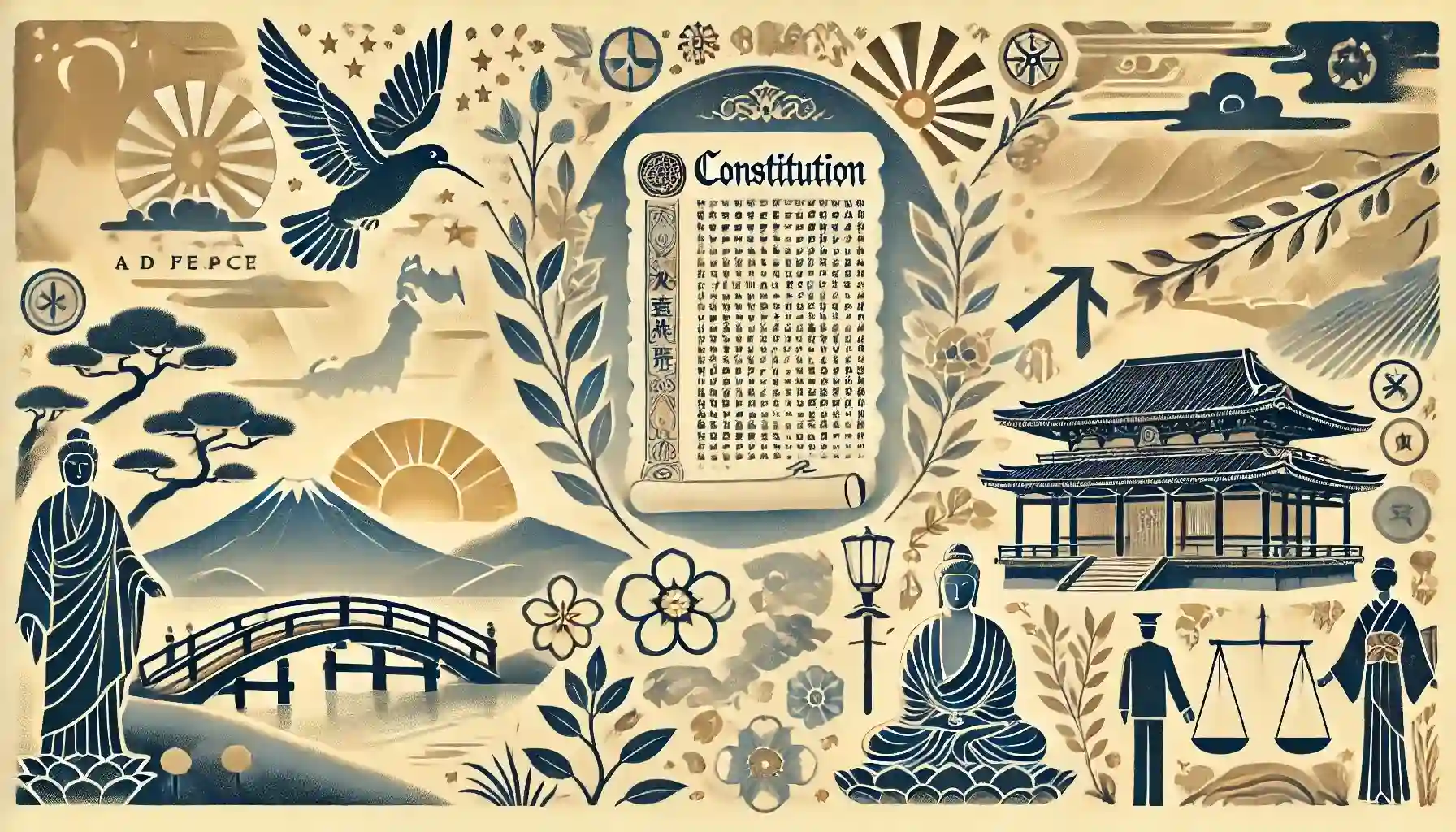
The Japanese Constitution, which was promulgated on Culture Day in 1946, emphasizes the principles of democracy, human rights, and peace. pivotal moment One of its most notable aspects is Article 9, which renounces war as a means of settling international disputes. of settling international disputes.
Q1: What principles does the Japanese Constitution emphasize?
Sample Answer:. The Japanese Constitution emphasizes democracy, human rights, and peace.
Q2: What was a key moment for Japan in 1946?
Sample Answer:. A key moment for Japan in 1946 was the promulgation of the new Japanese Constitution.
Q3: Why is Article 9 significant?
Sample Answer:. Article 9 is significant because it renounces war and emphasizes Japan's commitment to peace.
Now, let's talk using idioms.
Let the students choose one favorite idiom and make an example sentence.
Idiom Focus: "pivotal moment"
Explanation:. The phrase "pivotal moment" refers to an event that is crucial or extremely important, often marking a turning point.
Example Sentence: The promulgation of the Japanese Constitution was a pivotal moment in the country's history.
Section 2: The Importance of the Japanese Constitution
The Constitution of Japan, promulgated on Culture Day in 1946, emphasizes the principles of democracy, human rights, and peace. It marked an important turning point in redefining Japanese government and society after World War II. One of its most notable aspects is Article 9, which renounces war as a means of settling international disputes.
Q1: What principles does the Japanese Constitution emphasize?
Sample Responses:. The Japanese Constitution emphasizes democracy, human rights, and peace.
Q2: What was an important moment for Japan in 1946?
Sample Responses:. An important moment for Japan in 1946 was the promulgation of the new Japanese Constitution.
Q3: Why is Article 9 important?
Sample Responses:. Article 9 is important because it renounces war and emphasizes Japan's commitment to peace.
Idiom Focus: "pivotal moment"
Description: (in Japanese only) A "pivotal moment" is an event of great importance, a turning point.
Example Sentences:. The promulgation of the Constitution of Japan was an important moment in the country's history.
Section 2: The Importance of the Japanese Constitution
The Constitution of Japan was promulgated on Culture Day in 1946, emphasizing the principles of democracy, human rights, and peace. It played a crucial role in redefining Japan's government and society in the post-World War II era. One of its most notable aspects is Article 9, which renounces war as a sovereign right of the nation and the threat or use of force as means of settling international disputes.
Q1: What principles does the Japanese Constitution emphasize?
Sample Responses:. The Japanese Constitution emphasizes democracy, human rights, and peace.
Q2: What was an important moment for Japan in 1946?
Sample Responses:. An important moment for Japan in 1946 was the promulgation of the new Japanese Constitution.
Q3: Why is Article 9 important?
Sample Responses:. Article 9 is important because it renounces war and emphasizes Japan's commitment to peace.
Idiom Focus: "pivotal moment"
Description: (in Japanese only) A "pivotal moment" is an event of great importance, a turning point.
Example Sentences:. The promulgation of the Constitution of Japan was an important moment in the country's history.
Section 3: How Culture Day is Celebrated Today
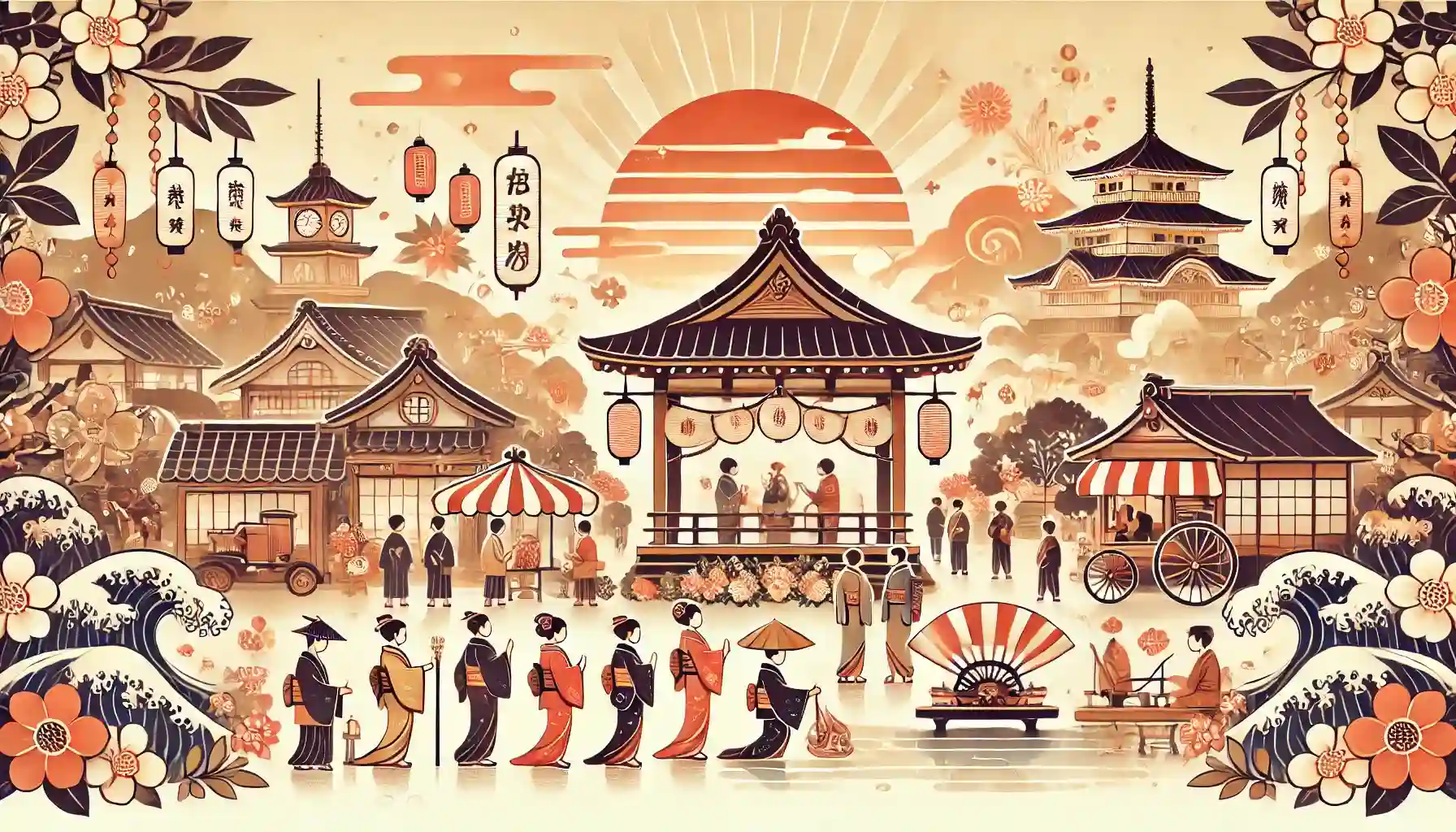
Today, Culture Day is celebrated across Japan with a mix of traditional and modern cultural events. Schools, communities, and cultural institutions organize exhibitions, music performances, and parades to showcase Japanese heritage. Many museums offer free admission, encouraging people to explore and learn more about Japanese culture. Workshops and events also foster creativity and cultural exchange among participants.
Q1: How do people celebrate Culture Day today?
Sample Answer:. People celebrate Culture Day by attending exhibitions, parades, and cultural events organized by schools and communities.
What opportunities are available on Culture Day?
Sample Answer:. On Culture Day, people have opportunities to visit museums for free and participate in cultural workshops.
Q3: How does Culture Day help promote cultural appreciation?
Sample Answer:. Culture Day helps promote cultural appreciation by organizing events that highlight both traditional and modern aspects of Japanese culture.
Now, let's talk using idioms.
Let the students choose one favorite idiom and make an example sentence.
foster creativity
Explanation:. To foster creativity means to encourage and support the development of creative ideas or activities.
Example Sentence: The workshops held on Culture Day help foster creativity among participants.
Section 3: How to Celebrate Culture Day Today
Today, Culture Day is being celebrated across Japan with events that blend traditional and modern culture. Schools, communities, and cultural institutions are holding exhibitions, musical performances, and parades showcasing Japan's heritage. Many museums are offering free admission, encouraging people to explore and learn more about Japanese culture. Workshops and events also serve to foster creativity and promote cultural exchange among participants.
Q1: How do people celebrate Culture Day today?
Sample Responses:. People celebrate Culture Day by participating in exhibitions, parades, and cultural events organized by schools and local communities.
Q2: What kind of opportunities are there on Culture Day?
Sample Responses:. On Culture Day, people have the opportunity to visit the museum for free and participate in cultural workshops.
How does Culture Day promote the value of culture?
Sample Responses:. Culture Day promotes cultural values by hosting events that highlight both traditional and contemporary aspects of Japanese culture.
foster creativity
Description: (in Japanese only) The phrase "foster creativity" means to encourage and support the development of creative ideas and activities.
Example Sentences:. The workshop held on Culture Day helps foster participants' creativity.