
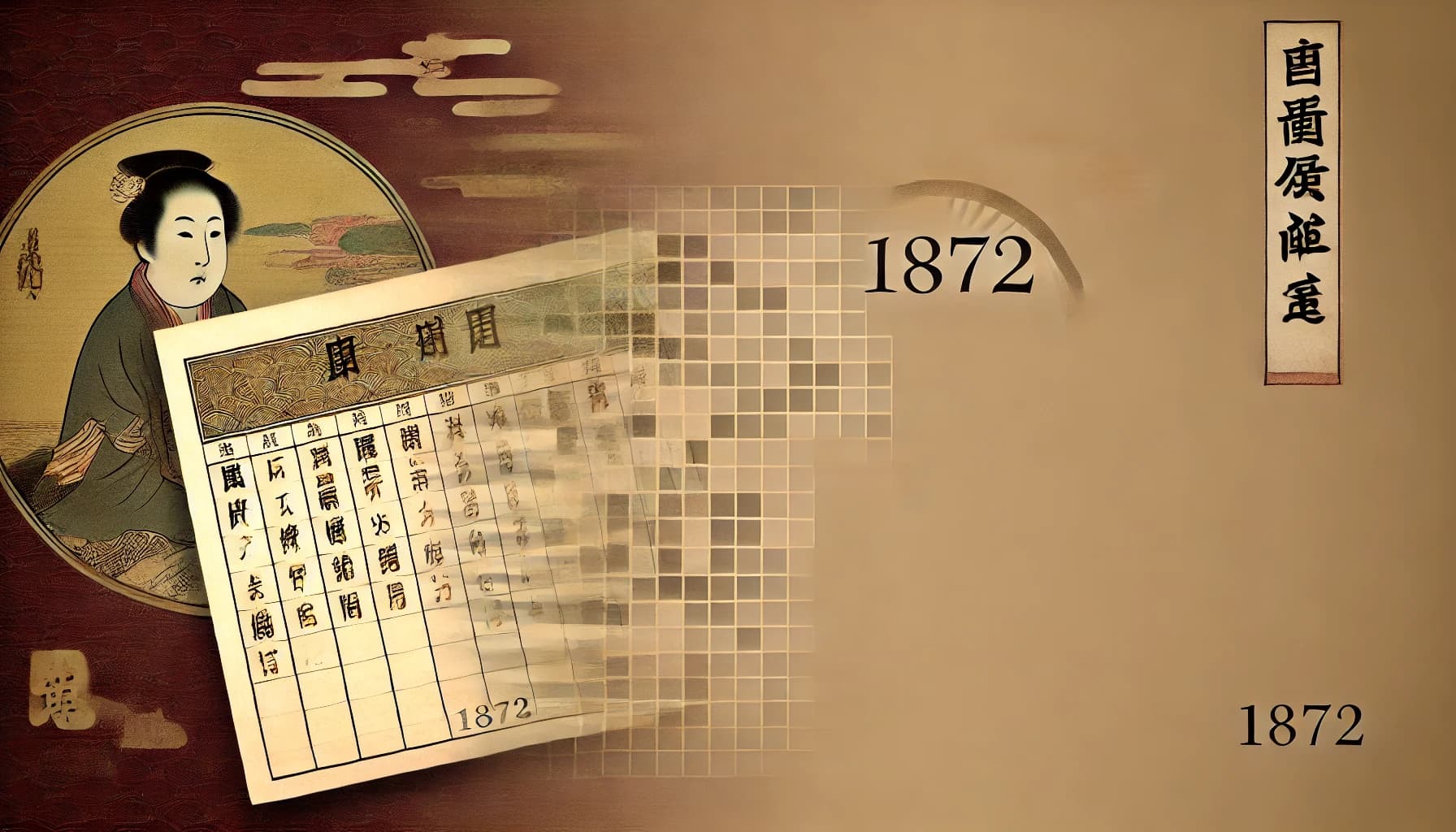
The Solar Calendar Adoption in Japan : A Historic Shift from the Lunar Calendar.
The theme of this English language resource is "learning casual English through real events."
The theme of this English resource is "Learn casual English through real events."
Section 1: Japan's Move to the Solar Calendar
On November 9, 1872, the Meiji government in Japan officially announced the replacement of the traditional lunar-solar calendar with the solar (Gregorian) calendar. This significant change aimed to modernize Japan and bring it in line with The solar calendar became the new standard, marking a significant step in Japan's alignment with global standards and its The solar calendar became the new standard, marking a significant step in Japan's alignment with global standards and its desire for modernization.
Questions and Sample Answers
Q1: When did Japan officially adopt the solar calendar?
A1: Japan adopted the solar calendar on November 9, 1872.
Q2: What was the purpose of changing from the lunar-solar calendar to the solar calendar?
A2: The purpose was to modernize Japan and align with Western standards.
Q3: Which government announced the adoption of the solar calendar in Japan?
A3: The Meiji government announced the adoption.
Now, let's talk using idioms.
Let the students choose one favorite idiom and make an example sentence.
Idioms in Section 1
"In line with":. This idiom means to be in agreement or alignment with something.
Example: "The company's new policy is in line with international standards."
Section 1: Japan's Transition to the Solar Calendar
On November 9, 1872, the Japanese Meiji government officially announced the replacement of the traditional solar lunar calendar with a solar (Gregorian) calendar. This important change was intended to modernize Japan and bring it in line with Western countries. The solar calendar was to be the new standard, a major step toward bringing Japan in line with world standards and a sign of Japan's desire to modernize.
Questions and Sample Answers
Q1: When did Japan officially adopt the solar calendar?
A1: Japan adopted the solar calendar on November 9, 1872.
Q2: What was the purpose of changing from a solar-lunar calendar to a solar calendar?
A2: The goal was to modernize Japan and bring it up to Western standards.
Q3: Which government announced the adoption of the solar calendar in Japan?
A3: The Meiji government announced its adoption.
Section 1 Idioms
In line with."This means being in agreement or harmony with something: the same thing.
Example: "The company's new policy is in line with international standards."
Section 2: The Abolishment of the Lunar Calendar
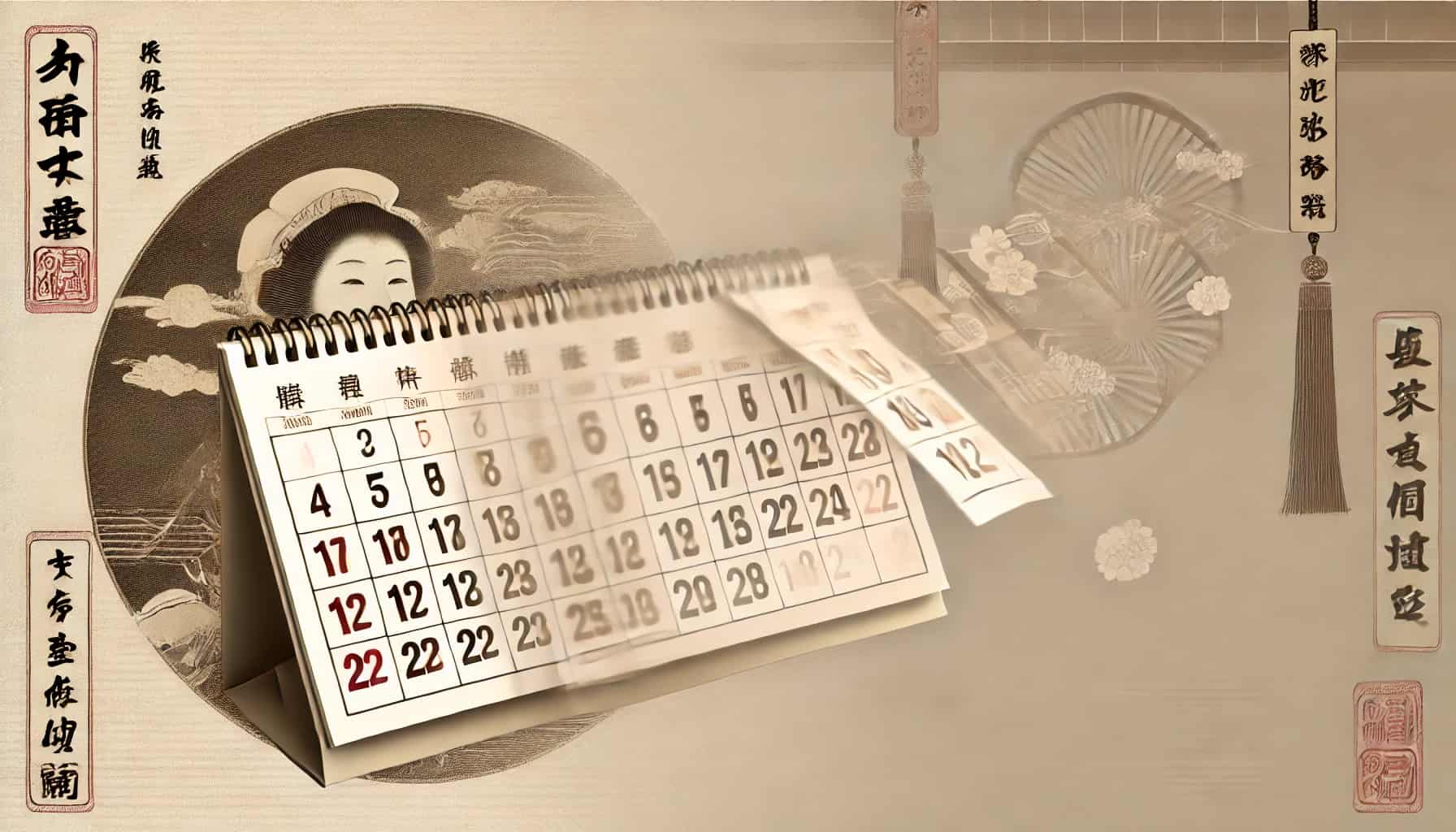
The shift to the solar calendar also meant the abolishment of the lunar-solar calendar, which had been traditionally used in Japan for centuries. traditional calendar was deeply rooted in cultural and religious practices, so its removal marked a bold and challenging decision for Japan, signaling a Move away from the past and toward a future oriented around Western influence.
Questions and Sample Answers
Q1: What calendar system did Japan abolish when adopting the solar calendar?
A1: Japan abolished the lunar-solar calendar.
Q2: How was the lunar-solar calendar important to Japanese culture?
A2: It was deeply connected to Japan's cultural and religious practices.
Q3: Why was abolishing the lunar calendar a challenging decision?
A3: It was challenging because it required Japan to move away from long-standing traditions.
Now, let's talk using idioms.
Let the students choose one favorite idiom and make an example sentence.
Idioms in Section 2
"Move away from":. This idiom means to distance oneself from something or leave it behind.
Example: "The company decided to move away from traditional methods and adopt new technology."
Section 2: Abolition of the Solar Lunar Calendar
The transition to a solar calendar simultaneously meant the abolition of the solar-lunar calendar that had been traditionally used in Japan for centuries. This traditional calendar was deeply rooted in cultural and religious practices, and its abandonment was a bold and difficult decision for Japan, marking a departure from the past and an orientation toward a Western-influenced future.
Questions and Sample Answers
Q1: What calendar system was abolished when Japan adopted the solar calendar?
A1: Japan has abolished the solar-lunar calendar.
Q2: How important was the solar lunar calendar to Japanese culture?
A2: It was deeply connected to Japanese cultural and religious practices.
Q3: Why was the decision to abolish the solar-lunar calendar a difficult one?
A3: Because it required a departure from a tradition that had been in place for many years.
Section 2 Idioms
Move away from.": This means distancing yourself from something, or letting it go.
Example: "That company has decided to move away from traditional methods and adopt new technology."
Section 3: The Lasting Impact of the Calendar Shift

The adoption of the solar calendar had a profound impact on Japan, aligning its dates with the global system and making international interactions This change has "stood the test of time"As Japan continues to use the solar calendar today, showing the lasting influence of that decision made in the Meiji Era.
Questions and Sample Answers
Q1: What impact did the solar calendar adoption have on Japan's international relations?
A1: It made international interactions smoother by aligning Japan with the global system.
Q2: How has the decision to adopt the solar calendar shown lasting influence?
A2: The influence is lasting, as Japan continues to use the solar calendar today.
Q3: Which era did the adoption of the solar calendar take place in Japan?
A3: The adoption took place in the Meiji Era.
Now, let's talk using idioms.
Let the students choose one favorite idiom and make an example sentence.
Idioms in Section 3
"Stood the test of time":. This idiom means something has proven to be valuable and lasting over many years.
Example: "Her advice on kindness has stood the test of time and is still relevant today."
Section 3: Sustained Impact of Calendar Changes
The adoption of the solar calendar had a profound impact, bringing Japan's date and time in line with the world system and facilitating international exchange. The change "stood the test of time," and the fact that Japan continues to use the solar calendar today shows the lasting impact the decision had on the Meiji era.
Questions and Sample Answers
Q1: How did the adoption of the solar calendar affect Japan's international relations?
A1: Japan's dates are now in line with the global system, facilitating international exchange.
Q2: In what ways does the decision to adopt the solar calendar show a lasting impact?
A2: The impact of this is evident in Japan's continued use of the solar calendar today.
Q3: In which period was the solar calendar adopted in Japan?
A3: It was adopted in the Meiji era.
Section 3 Idioms
Stood the test of time.: This means that it retains its value and usefulness over time.
Example: "Her advice about kindness has stood the test of time and continues to be helpful."



Disclaimer:
This English language material is based on content generated using ChatGPT with modifications. While every care has been taken to ensure the accuracy of the information, it may contain errors. We are not responsible for any damages caused by the use of this material.